
Category: Uncategorized

LOS GAITEROS DE COMPOSTELA (GALICIA, SPAIN)
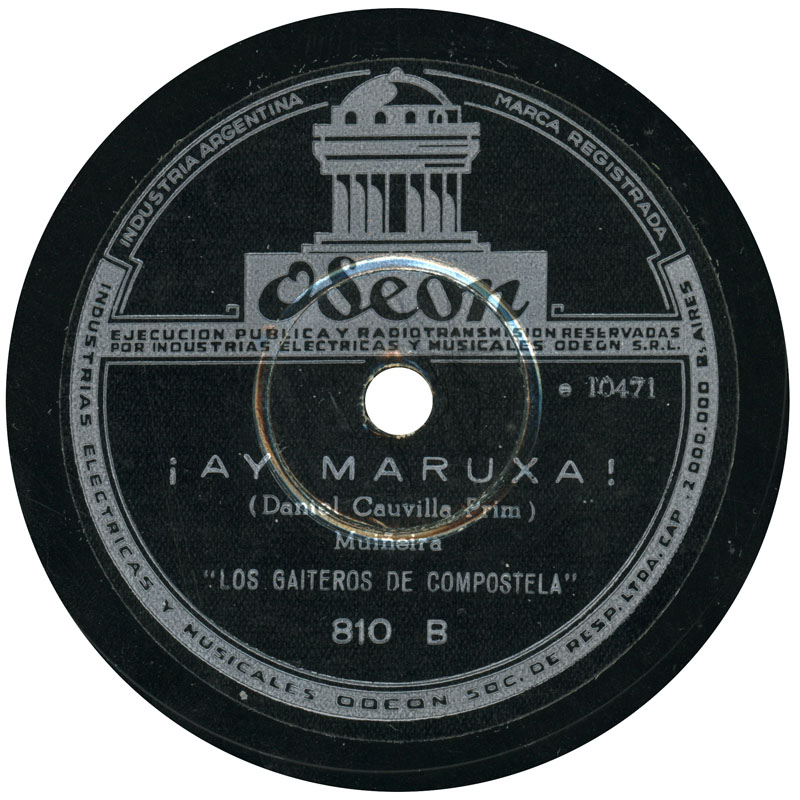
Here’s a completely different type of “gaiteros,” this time from Galicia, the autonomous region of northwest Spain. Here, the gaiteros is a player of the gaita, a celtic bagpipe found also in Asturias and northern Portugal. It’s been suggested that the name gaita comes from the Eastern European word for goat (gait) and was brought by the Visigoths in 800 A.D. when they conquered Spain. In any case, the gaita is the iconic instrument of Galicia, and players have been the rock stars of their culture for centuries. It can be played solo, in small groups, or in large military style marching bands, as heard here. The song ¡Ay Maruxa! is a muiñeira, the most common song form in Galicia in 6/8 time.
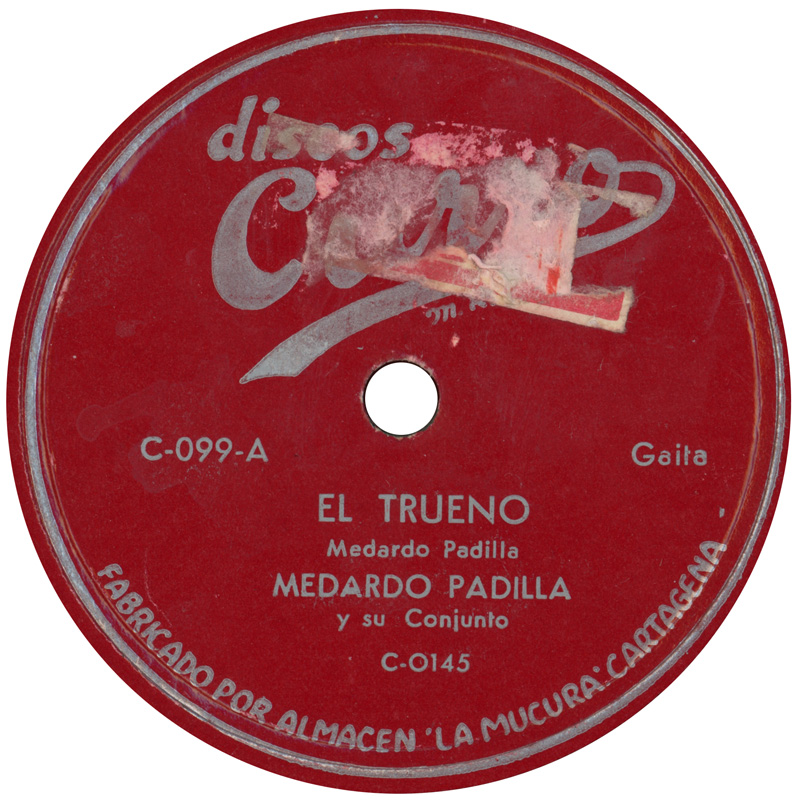
GAITEROS (COLOMBIA)

Cumbia is the popular dance form of Colombia with roots in Africa and influenced by Spanish and indigenous cultures, plus a big helping of Afro-Cuban sounds. While the accordion is the true hero of cumbia (and Cuban styled orchestras have been nearly as popular), it’s the gaita that represents the real roots of cumbia music. The cane flute called gaita, played by gaiteros, is most often used in pairs, the small hembra (female) and the larger macho (male) hypnotically weaving around each other.
Discos Curros was started in the early 1950s by Curro Fuentes, who, along with his brother, had created the monumental Fuentes label.

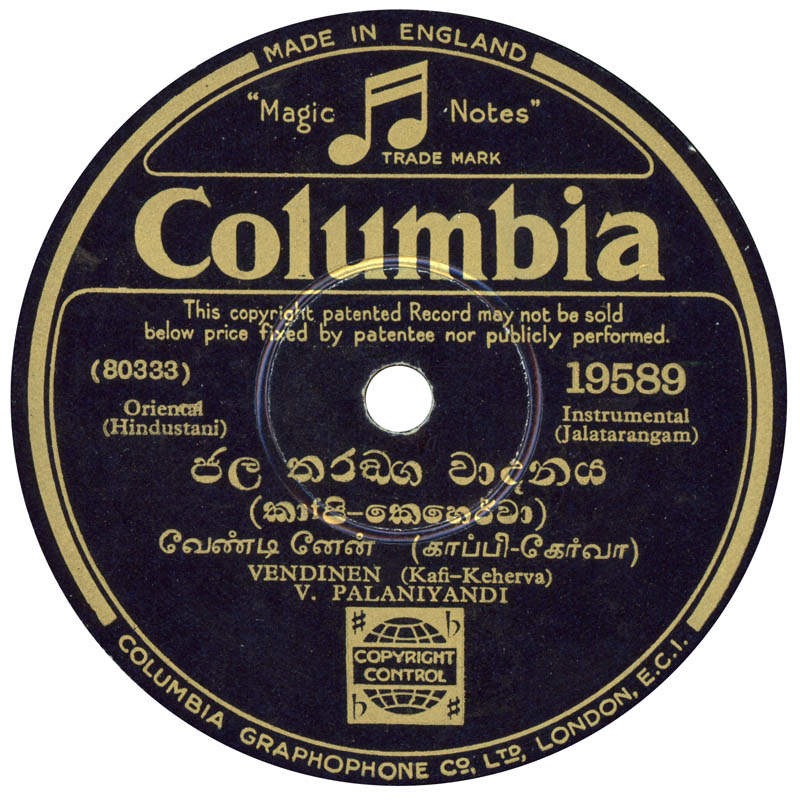
WAVES IN WATER (INDIA)

Jal tarang (spelled many ways) is an instrument that consists of ceramic bowls tuned by water. The name means “waves in water,” and although the instrument is rare, it has a spellbinding sound. It was first mentioned in the Sangeet Parijaat, written in the 17th Century, but it was likely used even earlier. It’s used in both Hindustani and Carnatic music.